When it comes to reading, working-class boys and young men are the group we’re losing fastest. Their enjoyment, confidence and attainment continue to fall, and the gap keeps widening. Just one in four boys aged 8–18 say they enjoy reading in their free time, compared with almost 40% of girls. For those eligible for free school meals, the picture is bleaker still.
These patterns don’t appear at secondary school. They take root in primary and compound over time, shaping how children see themselves, whether they feel they belong and the opportunities that can either open up or quietly narrow as a result.
This half term, we’ve celebrated World Book Day, and with it, the launch of #1millionstories by Boys’ Impact, a campaign named for the one million boys eligible for free school meals in schools across England, to amplify and platform the voices and stories of young working-class boys in our schools. Whilst World Book Day might have passed, the opportunity to champion the voices of boys is year-round.

What #1MillionStories asked us to do
The campaign’s invitation was beautifully simple: create space to listen. Not to assess, not to intervene, just to hear what boys genuinely have to say about reading.
What does it mean to them?
When do they feel seen in a book and when don’t they?
What gets in the way?
What would make it better?
These are not assessment questions. They are the kind that change the way we see the children in front of us.
Starting with what we already know
In every primary school, there are boys who can read but choose not to. They have quietly decided that reading is not for them and they may not be the ones who appear on our intervention lists. In fact, they can be the pupils who pass every benchmark yet never pick up a book by choice. Most of the time, we already know exactly who they are.
What we might not know is what they think. Not about phonics or comprehension but about reading itself: what it feels like, what it means, whether it has anything to do with who they are or who they want to become.
That’s where the real conversation starts and spreads far beyond their connection with just books.
Questions Worth Asking In Your School
If #1MillionStories has opened a door, these are some of the questions that might help you walk through it:
- Do the books in our classrooms and libraries reflect the lives, language and worlds of our most disengaged boys?
- When did our most reluctant readers stop seeing themselves as readers and what was happening at that point?
- How often do we ask boys what they think about reading, rather than measuring how well they do it?
- Are we broadening our definition of reading to include the ways boys are already engaging with stories: through gaming, film, graphic novels, podcasts?
- What would it look like if every boy in our school believed that reading was something people like him do?
These questions are likely to open conversations worth exploring together as a staff. They matter particularly in primary, where the foundations of reading identity are formed.
Of course, the question that underpins all of these is: where are we getting our answers? If we’re answering these questions for boys rather than putting their voices central to the discussion, we risk building reading provision on assumptions rather than true understanding. The most powerful thing we can do as schools is ask and be willing to hear the answers.
Beyond the Campaign
Across education, we’re used to discussing the systemic gaps in achievement between boys and girls. The power of the invitation from Boys’ Impact is simple but important: it asks us to think not about “boys” as a group, but about the individual children we are privileged to teach and their perspectives on reading, which are not always visible in the data we gather. When we make space for their voices, we don’t just learn what books to put on our shelves, we learn where the barriers actually sit and they’re not always where we expect.
So, while World Book Day has passed, the invitation hasn’t.
One conversation with one boy about what reading means to him could shift something, for him and for your school community. If enough of us do that, across enough schools, we might just create #1millionreaders.
Find out more about Boys’ Impact and the #1MillionStories campaign here.
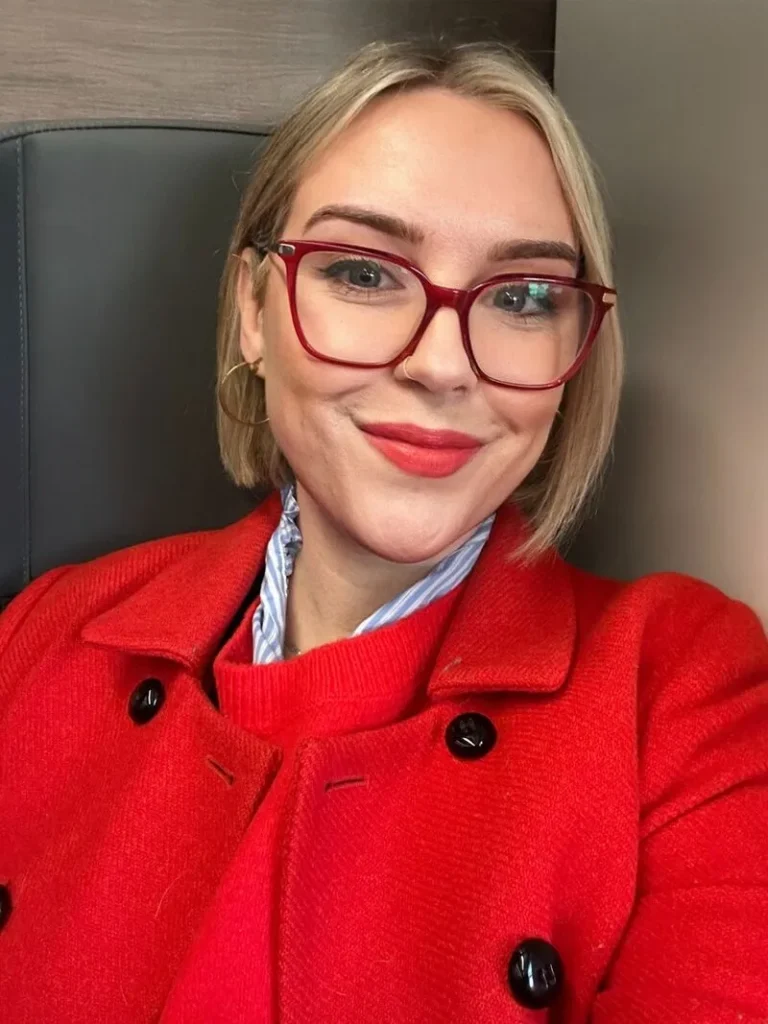
NICOLA
MANSFIELD
Leads primary reading at PiXL, supporting schools across the country to strengthen reading culture, attainment, vocabulary and oracy in primary classrooms. She has also contributed to research exploring children’s reading habits.